The history of teak wood in Indonesia, from managed forestry on Java to today's documented supply chains, and what it means for the furniture you buy.

Most furniture carries no history you can trace. Teak from Java is an exception. The history of teak wood on the island stretches back centuries, and organized teak plantations have been part of its forestry since around 1880. That long history of managed forestry, together with today's certification and documentation systems, allows Westminster Teak to verify the legal source of the teak used in our furniture, a cornerstone of our sustainable sourcing.
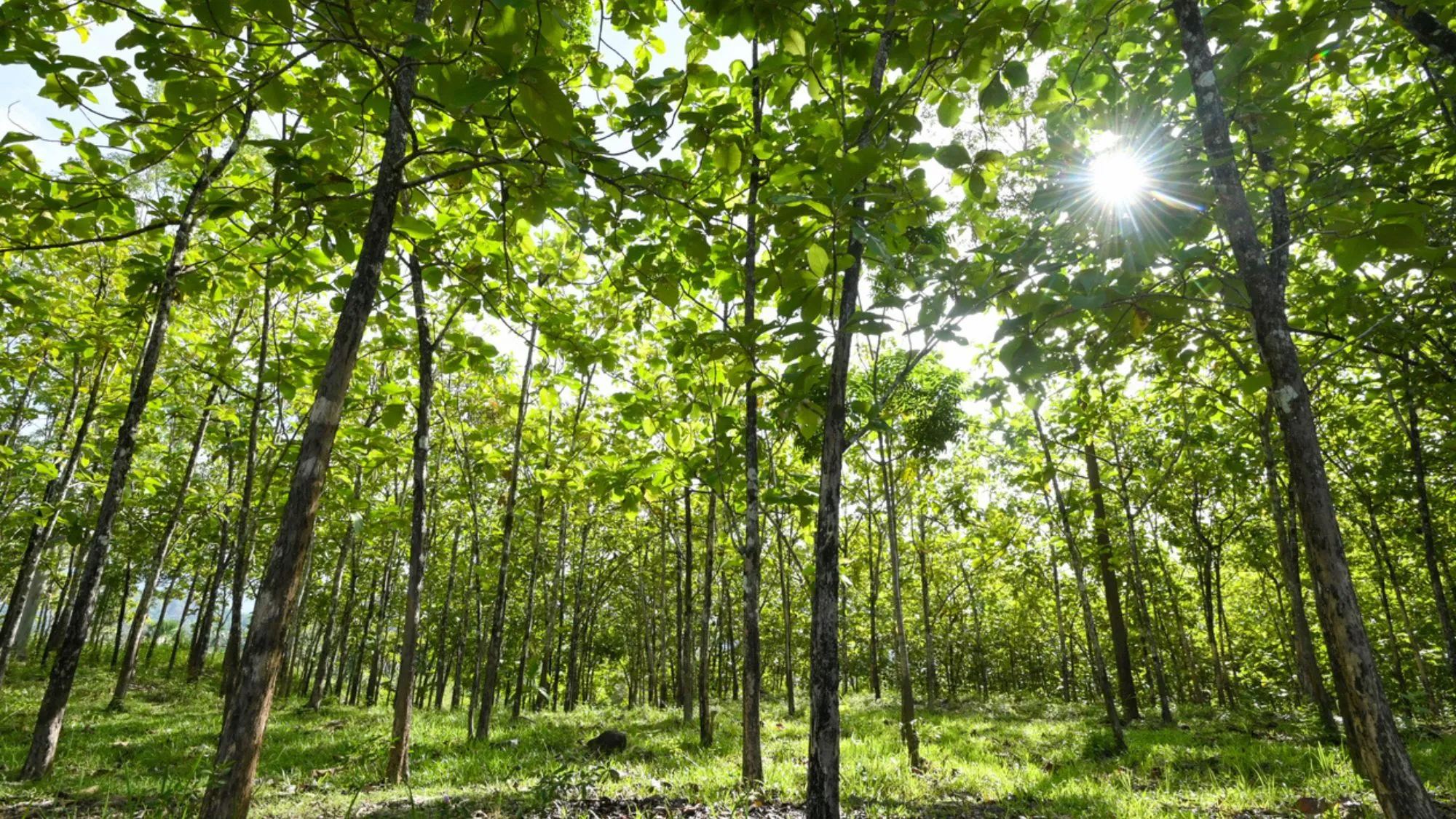
The teak in a Westminster Teak bench comes from production forests managed by Perum Perhutani, where planting, harvesting and replanting follow planned cycles. That continuity is not a romantic detail. It is part of what allows our wood to be traced back to its legal source.
When Did Teak Plantations In Indonesia Begin?
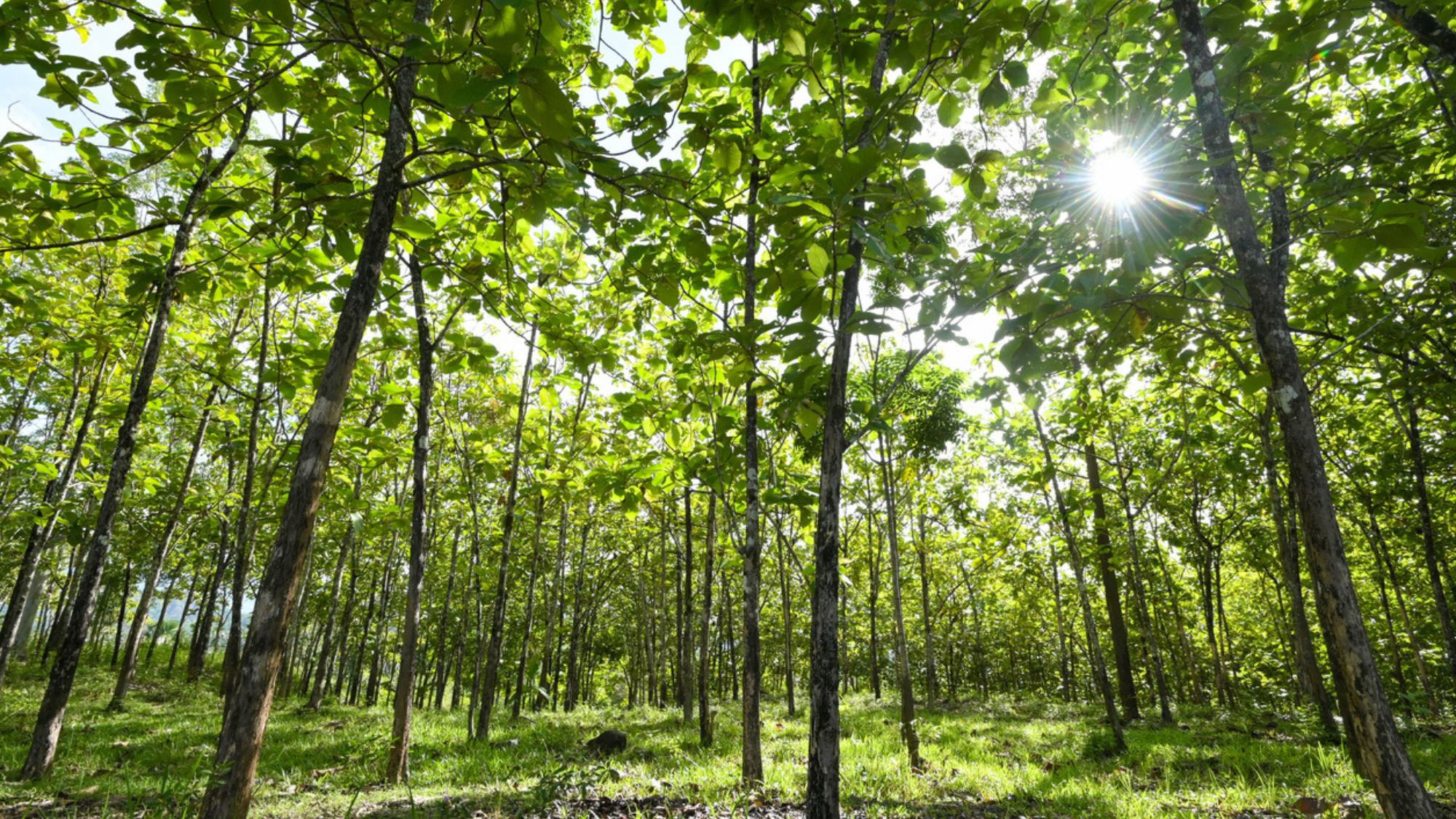
Teak has grown on Java for centuries, long valued for shipbuilding and royal construction. Organized forest management developed on the island through the nineteenth century under Dutch colonial administration, and FAO sources place the establishment of systematic teak plantations in Indonesia around 1880. The shift that matters is the move from harvesting existing stands to planting and managing teak as a renewable resource.
The early system was driven largely by the need for a dependable timber supply for shipbuilding, construction and infrastructure. Over time, it established the practices that modern teak forestry still relies on: recorded planting dates, defined harvest cycles, and forests managed through planned planting, harvesting and replanting cycles to provide a renewable supply of teak over time.
How Did Indonesia's Teak Forests Become What They Are Today?
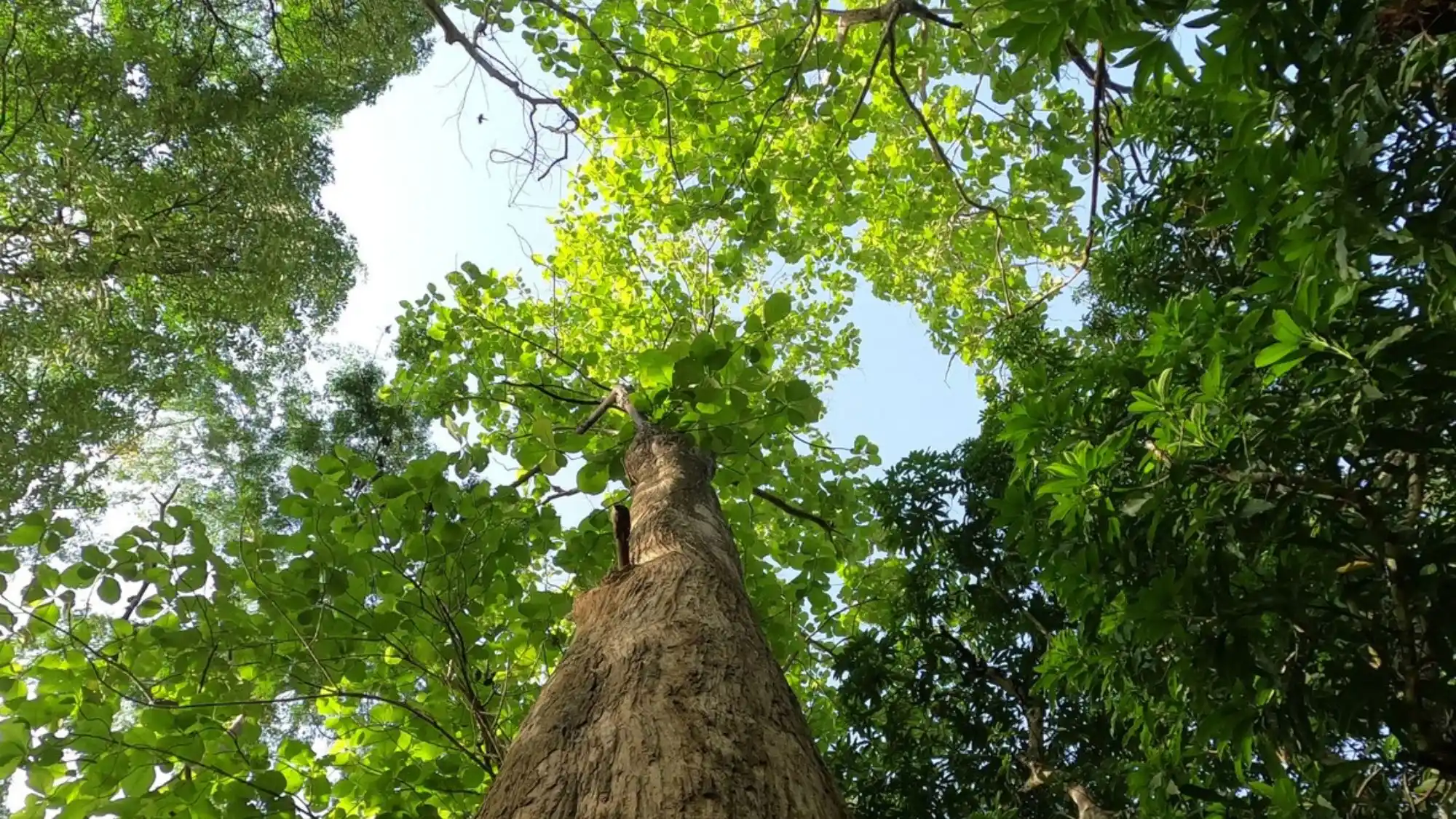
Through continuity rather than a clean break. The Indonesian government took over the forestry system and developed it into one of the world's largest and longest-established teak forestry systems. Today, Perum Perhutani reports a managed area of approximately 2.4 million hectares, or about 6 million acres, across Java and Madura.
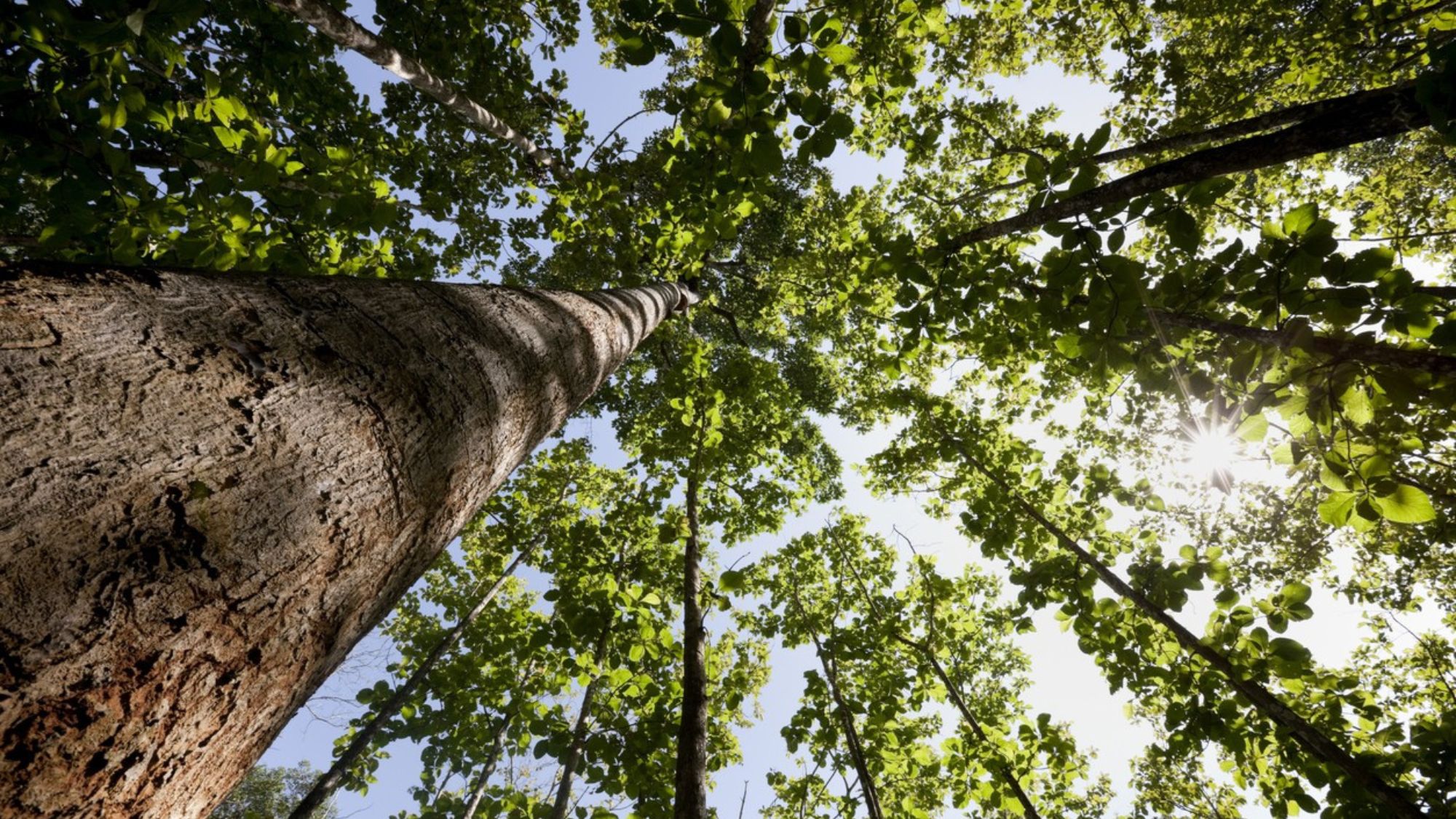
That continuity matters because a teak tree reaches furniture-grade maturity over decades, not years. A plantation only works if the institution managing it outlasts the people who planted it. Harvesting is paired with planned replanting to maintain the production forest over successive rotations.
What Role Does Perum Perhutani Play Today?
Perum Perhutani is the Indonesian state forestry enterprise that manages production forests on Java, operating under the national forestry ministry. It manages planting, forest maintenance, harvesting and the documentation associated with timber moving through its managed forest system.
Perhutani also uses agroforestry programs that allow participating communities to grow agricultural crops within managed forest areas, particularly during suitable stages of forest development. This provides participating communities with economic opportunities while involving them in forest management.
Layered on top of this is SVLK, Indonesia's timber legality and sustainability assurance system, also known as INDO-TLAS. It sets legality and sustainability standards and includes supply chain controls designed to document the origin and movement of timber through harvesting, transport, trade and manufacturing. Our factory is a certified manufacturer under that system, and we purchase teak only from Perum Perhutani. You can read more about how that sourcing works on our Sustainability page. Specifiers and hotel buyers ask for this documentation; see Outdoor Furniture for Hospitality Spaces: What Makes It Different.
For how these standards shape what we build today, read Designing for Outdoor Living: What We’ve Learned in 25 Years.
Why Does Teak History Matter For The Furniture You Buy?
Because traceability depends on a system that was already in place. Perum Perhutani is the only source of teak in our supply chain, and our teak supply is supported by documented chain-of-custody controls that trace timber from its legal forest source through manufacturing. That is possible because the forest was organized this way long before anyone asked a furniture brand to prove anything.
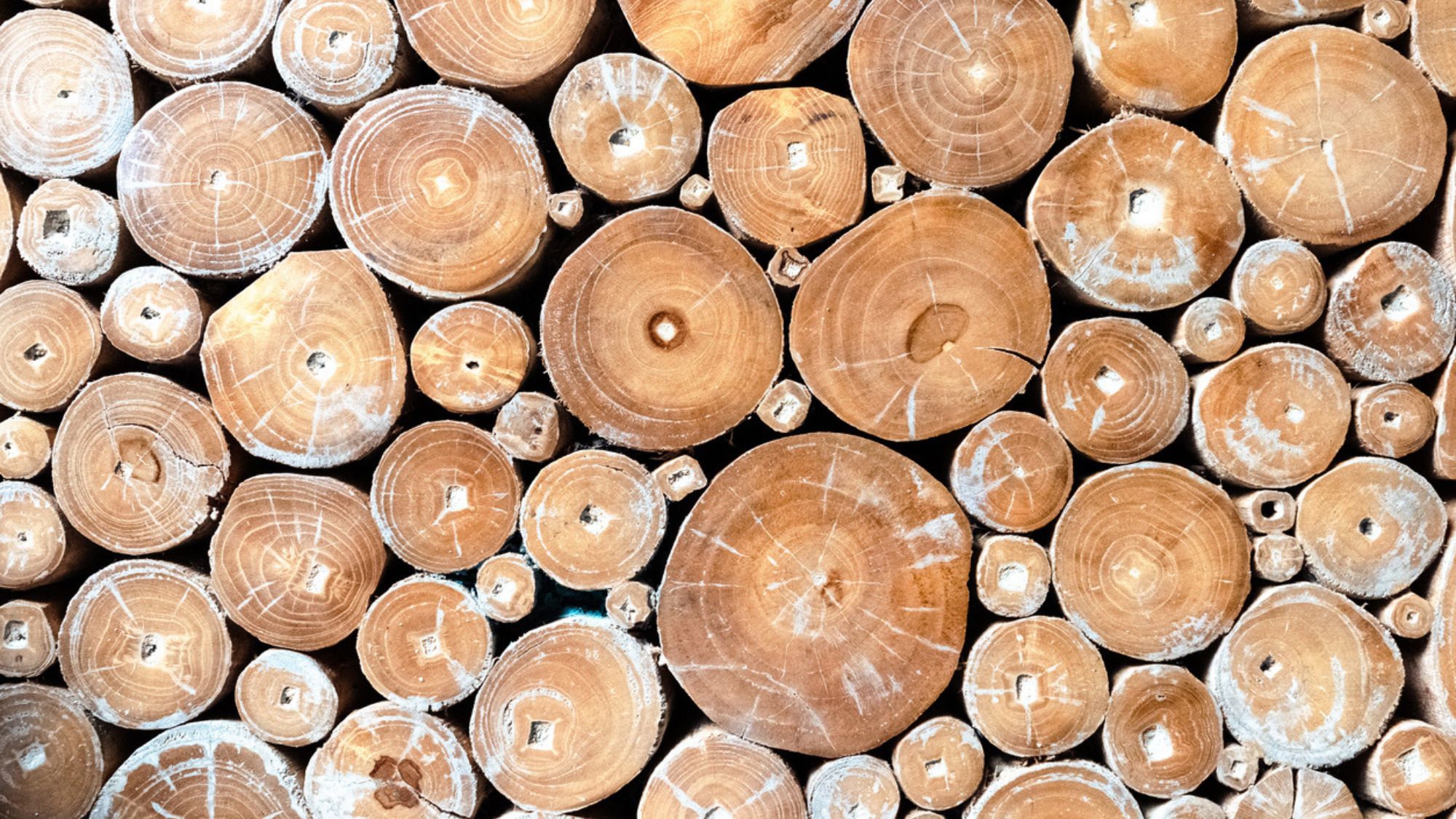
The practical consequence is quality as much as provenance. How teak performs outdoors depends on tree maturity, heartwood content, density and natural oil content, along with how the wood is selected and dried. Mature teak harvested on a planned rotation provides the dense heartwood, tight grain and natural oils that outdoor teak furniture depends on, and careful kiln-drying keeps that wood stable once it becomes furniture. Two pieces can look alike in a photograph and age very differently outdoors. To check this yourself before you buy, use How to Choose Teak Outdoor Furniture That Actually Lasts.
We have written separately about Teak Wood Quality: What Really Defines It, and the same factors sit behind the answer to Why Is Teak Furniture So Expensive. Price and lifespan reflect several things at once: species, maturity, grade, heartwood content, drying, construction and care. Mature, properly selected and carefully processed teak is what makes a long outdoor life possible.
How Does That History Show Up In A Finished Piece?
In the decisions made before a piece is ever built. Our furniture is made from premium solid teak selected for heartwood, density and natural oils. The wood is kiln dried for about two weeks to a moisture content of about 10%, then rested for several more weeks so it regains dimensional stability before it is cut. Critical connections use mortise-and-tenon joinery, the hardware is 316L stainless steel, and every surface is sanded to a micro-finish that is smooth to the touch. Hardware follows the same long-term logic: read Why We Use 316L Stainless Steel Hardware on Our Teak Outdoor Furniture.
None of this is styling. It follows the same logic that shaped Java's teak forests: patience with the material and a process built for the long term. It is also why teak is still considered the best material for patio furniture. With simple care, each piece is designed to be enjoyed for generations. See exactly what is covered in What Does a Lifetime Warranty Actually Mean?
Frequently Asked Questions
Why Is Indonesia So Closely Associated With Teak?
Because of a long tradition of teak and managed forestry on Java, with organized teak plantation establishment dating to around 1880. Java's volcanic soils and monsoon climate suit Tectona grandis well, but the decisive factor is institutional. Indonesia has one of the world's largest and longest-established teak forestry systems, managed by the state on long rotations. Every April 12 we celebrate this heritage; read Why We Created Teak Awareness Day.
How Are Java's Teak Forests Managed Today?
Today, much of Java's teak is produced within long-established managed production forests operating under planned planting and harvesting cycles. That managed, documented origin is the central distinction between plantation teak and teak from uncontrolled logging, and it is what timber legality systems such as SVLK are designed to verify.
What Is Perum Perhutani?
It is Indonesia's state-owned forestry enterprise, responsible for managing production forests on Java, including the forests that supply the teak in our patio furniture. It manages planting, forest maintenance, harvesting, community agroforestry programs and the documentation that supports timber legality verification.